QEE Ingeniería

Categories
Electrical Certificate

Do You Need an Electrical Certificate in San Vicente?

Has your electricity supplier asked you for an electrical certificate, and you have no idea what it is or why you need it? Don’t worry — we’ll explain it in simple terms… and if you want, we can also help you obtain it quickly and without hassle.
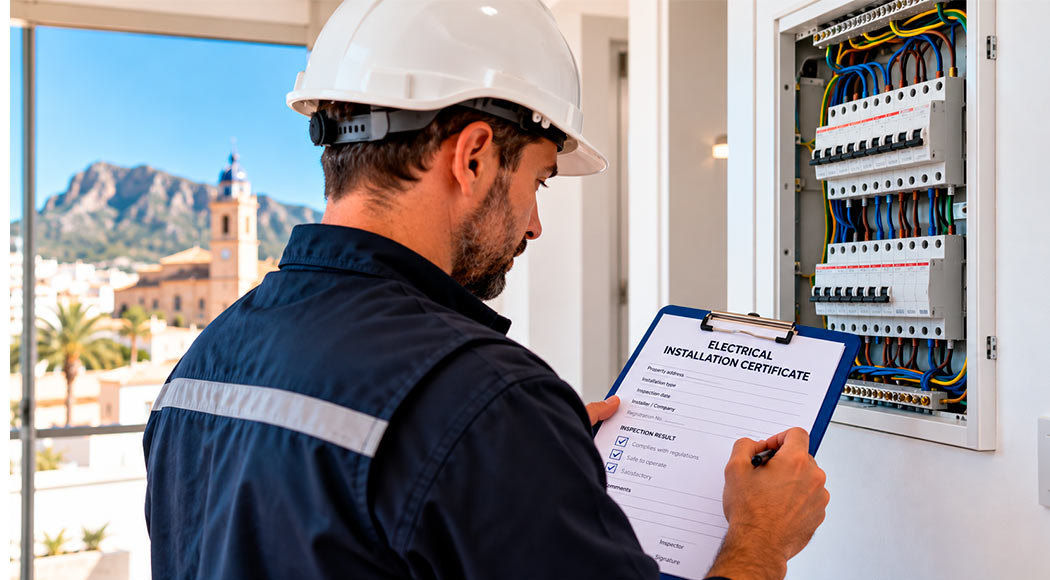
Electrical Installation Certificate San Vicente

What Is an Electrical Certificate (CIE)?

An electrical certificate is like the official “passport” of your electrical installation: a document with superpowers that says, “This property is ready to receive electricity safely.”

It certifies that your wiring, electrical panel, and the entire installation are in good condition, comply with regulations, and are capable of powering everything from a light bulb to the most demanding coffee machine.

Without this certificate, the electricity company will not let you move forward with important procedures such as connecting a new supply, increasing your contracted power, or legalising solar panels.

In short, it’s the ID card, driving licence, and vaccination record of your electrical installation — all in one!

Requirements to Obtain an Electrical Certificate in San Vicente

The main requirements are:

  • Having the five mandatory electrical circuits.
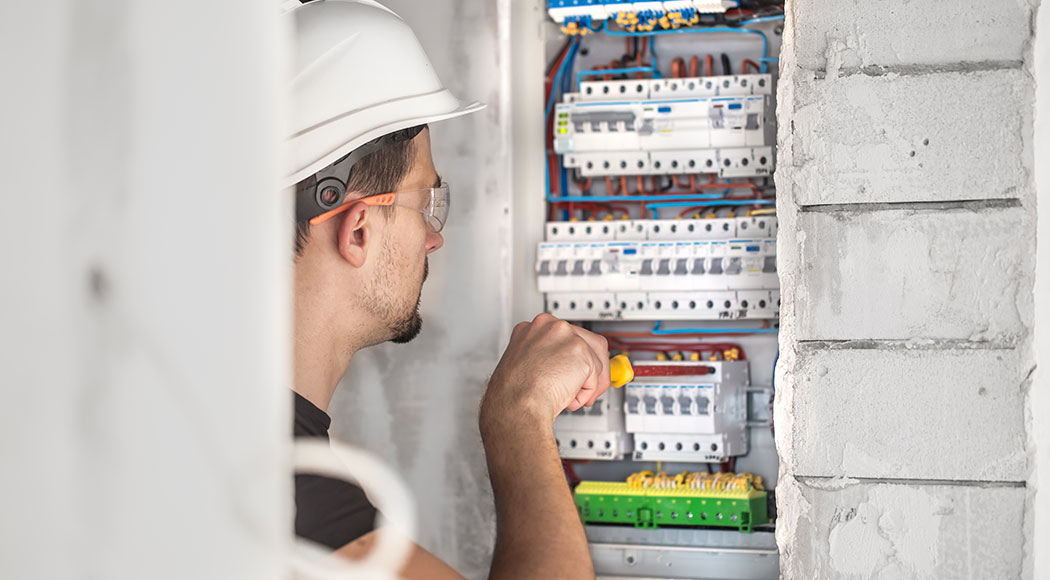
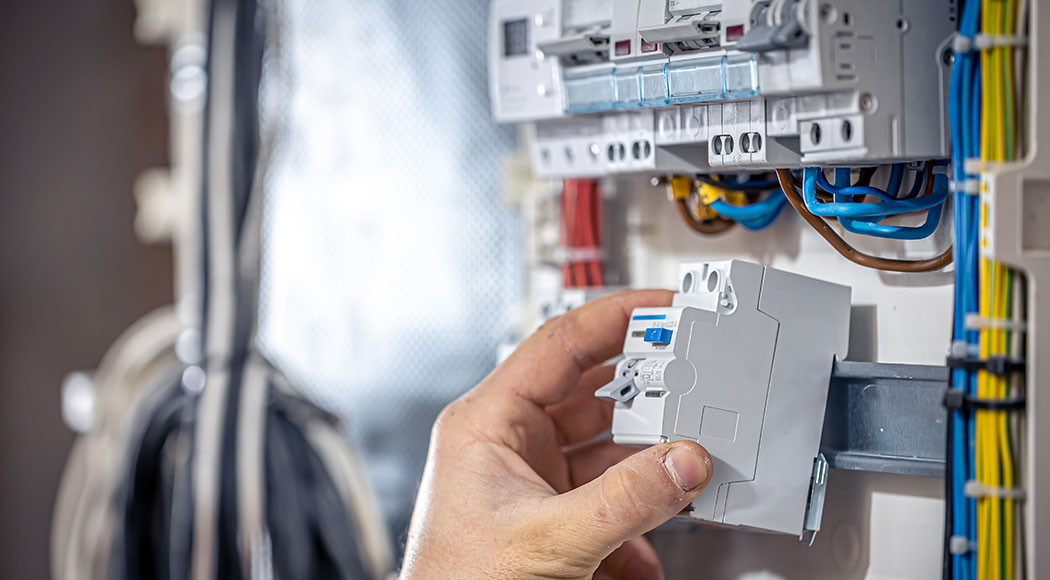
  • Ensuring that the residual current device (RCD) works correctly and that the appropriate number of RCDs is installed.
  • Having an earth cable and a properly functioning grounding system.
  • Using cables with the correct cross-section and suitable materials.
  • Ensuring that all electrical components (sockets, switches, etc.) are in good condition.

Get an Affordable Electrical Certificate in San Vicente

How Long Is an Electrical Certificate Valid and When Should You Consider Renewing It?

An electrical certificate is officially valid for 20 years. However, in practice, it may become invalid sooner if your installation has been modified, expanded, or if the distribution company determines that it no longer complies with current regulations.

You should consider renewing it when:

  • You are trying to increase your contracted power, and the electricity company rejects the request.
  • You have carried out electrical renovations and do not have an updated certificate.
  • Your certificate is more than 20 years old, and you need to complete a procedure with your electricity supplier.
  • The Industry Department requests an updated CIE to verify the safety of the installation.

In summary, if your certificate is “older than your grandmother’s fuse board,” it may be time to renew it.

Power Increase Certificates – When Your Home Needs More Capacity

If your circuit breaker trips more often than a DJ jumps at a San Vicente festival, you may need a power increase certificate.

This document certifies that your electrical installation can safely support a higher power capacity than it currently has.

It is mandatory when:

  • You want to install air conditioning, a jacuzzi, a new oven, or other high-consumption appliances, and your current power supply is insufficient.
  • Your contracted power is below your actual needs.
  • The electricity company requires a technical verification before authorising the change.

It is essentially your home’s “medical clearance” to handle a heavier electrical load safely.

Photovoltaic Installation Certificate – The Document That Makes Your Solar Energy Legal

If you have installed, or are planning to install, solar panels, you will need a photovoltaic installation certificate.

This document proves that the installation has been carried out by a qualified professional, complies with the Low Voltage Electrical Regulations (REBT), and can be safely connected to your property’s internal electrical network.

What does this certificate allow you to do?

  • Legalise your installation with the Industry Department.
  • Apply for compensation for surplus energy exported to the grid.
  • Register your energy production and avoid penalties.
  • Ensure that your solar panels, inverter, and protection systems operate safely.

Without this document, your solar panels may generate electricity, but legally speaking, they do not exist.

How Can You Request a Copy of Your Electrical Certificate from the GVA If You Have Lost It?

Losing your electrical certificate is more common than you might think. To recover it, you can request a copy through the Generalitat Valenciana (GVA) or through your authorised electrical installer using the following link:

https://www.gva.es/es/inicio/procedimientos?id_proc=22198

Online Electrical Certificates – The Most Unsafe (and Dangerous) Option

Obtaining an electrical certificate online without a real inspection is an unsafe, illegal, and extremely dangerous practice.

Many advertisements promise certificates “without visits,” “instantly,” or “for €40,” but these are not official and can put the safety of the occupants at serious risk.

Why is it so dangerous?

  • The installation is not physically inspected.
  • Grounding systems, cable sizes, and protection devices are not checked.
  • A fraudulent certificate can lead to fires, short circuits, or serious accidents.
  • The Industry Department and the electricity distributor may invalidate the certificate and impose penalties on the property owner.

An electrical certificate is a document that certifies safety. If the installation is not inspected, there is no safety — and if there is no safety, there should be no certificate.
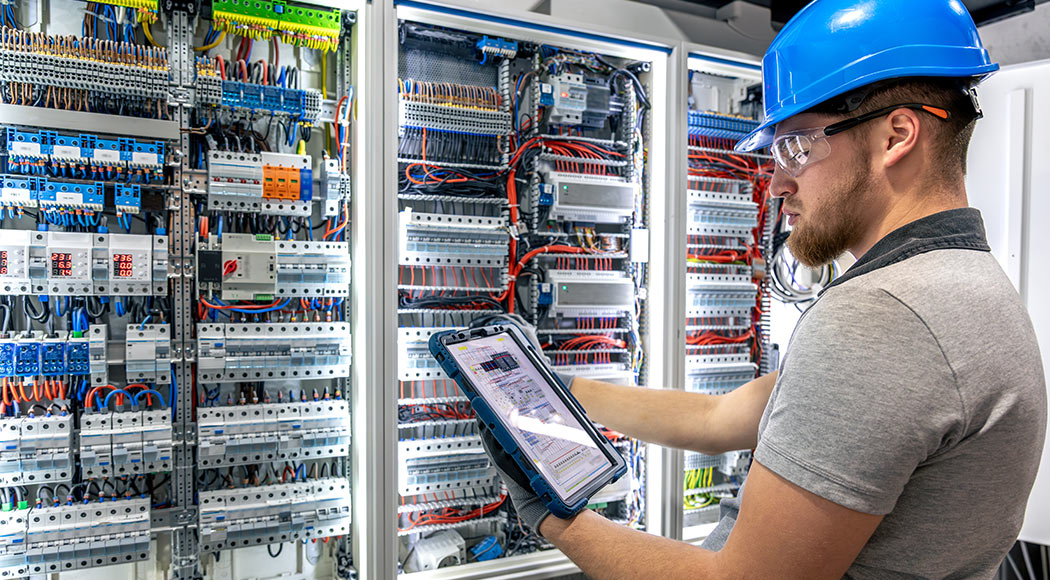
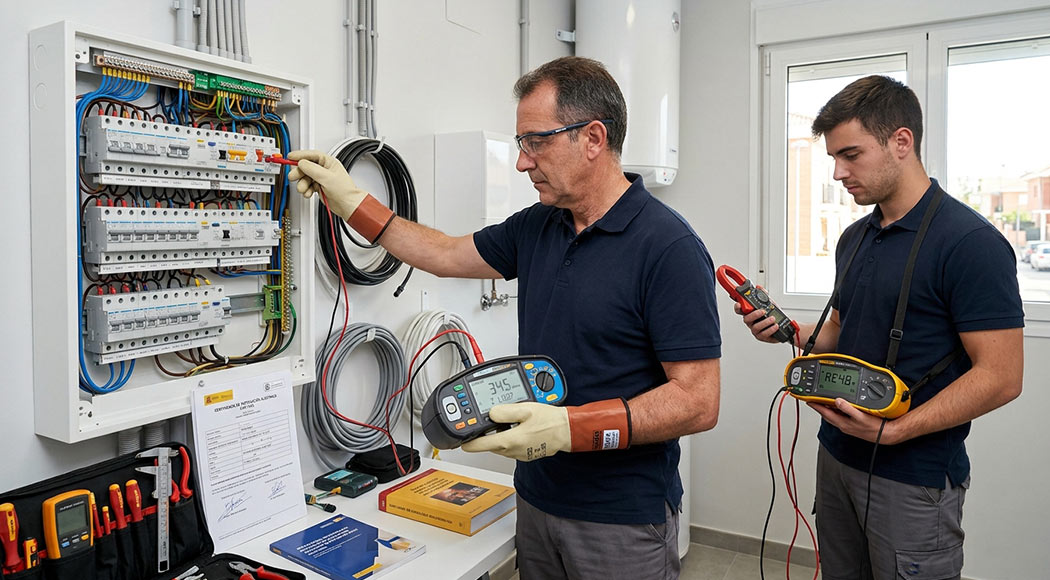
We Can Help You With Electrical Measurements and Testing in Alicante

    Categories
    Electrical Certificate

    Electrician in El Campello for Electrical Installation Certificates (CIE)

    Do you need an Electrical Installation Certificate and live in El Campello? At QEE Ingeniería, we are authorised electrical installers and can help you obtain your Electrical Installation Certificate (CIE), as well as carry out any electrical upgrades or modifications required to comply with current regulations.

    Electrician in Campello

    What is the CIE or Electrical Installation Certificate?

    The CIE (Electrical Installation Certificate) is the official document that certifies and legalises an electrical installation. It is required when a new installation has been carried out or when an existing installation needs to be inspected and updated to comply with current electrical regulations.

    Get an Electrical Installation Certificate in El Campello

    What are the requirements for an Electrical Installation Certificate?

    One of the most important aspects is the electrical distribution board. In residential properties, it must include at least a main switch, a residual current device (RCD), and five independent circuits.

    It is essential that the entire electrical installation is connected to a functional earthing system.

    Cable sizes are also crucial and must comply with current regulations according to the required electrical load and intended use of the installation.

    Electrical Installation Certificate Cost in El Campello

    160€

    How long is an Electrical Installation Certificate valid?

    For residential properties, the Electrical Installation Certificate is generally valid for approximately 20 years.

    For commercial premises, the certificate is typically valid for around 5 years.

    Request a Copy of an Electrical Certificate from Industry

    If you need to obtain a copy of your Electrical Installation Certificate, you can request it from the Valencian Regional Government (Industria) using the following link:

    https://www.gva.es/es/inicio/procedimientos?id_proc=22198

    Types of Electrical Installation Certificates (CIE)

    The type of Electrical Installation Certificate required generally depends on the reason for the application.

    1. Electrical Certificate for a Power Increase

    If you wish to increase the contracted electrical power in your home or business premises, you will need a new Electrical Installation Certificate. This is because the installation must be capable of handling the increased demand, and upgrades such as larger cable sizes or additional components may be necessary to ensure safety.

    2. Electrical Certificate for a New Electricity Connection

    When applying for a new electricity supply, the distribution company requires proof that the installation complies with current regulations. Therefore, a valid Electrical Installation Certificate is mandatory.

    3. Electrical Certificate for an Installation Modification

    Any significant modification to an electrical installation requires a new Electrical Installation Certificate to document the changes and ensure the installation is properly registered and compliant.

    How to Obtain an Electrical Installation Certificate?

    These are the usual steps involved in obtaining an Electrical Installation Certificate:

    Electrical Inspection and Testing

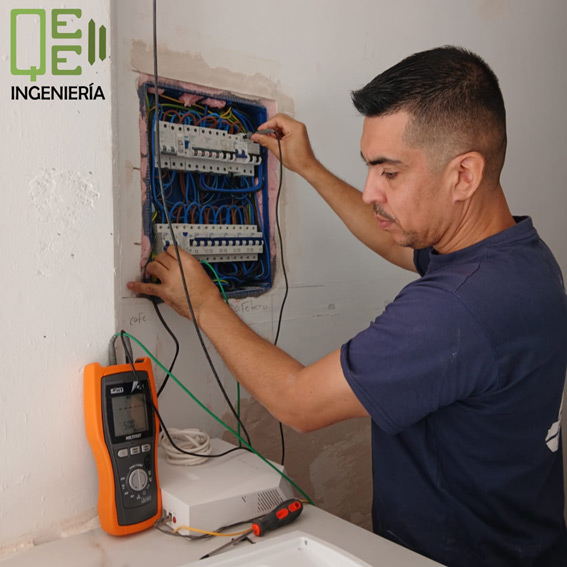
    A qualified technician visits the property to perform a visual inspection, check the condition of electrical components, verify cable sizes, and carry out safety tests such as loop impedance measurements and RCD trip tests.

    Documentation Required for the Electrical Certificate

    The following documentation is required:

    • A recent electricity bill and details of the requested modification.
      • The property’s cadastral reference number.
      • A copy of the holder’s ID document or passport.

    Preparation of the Technical Report and Electrical Schematics

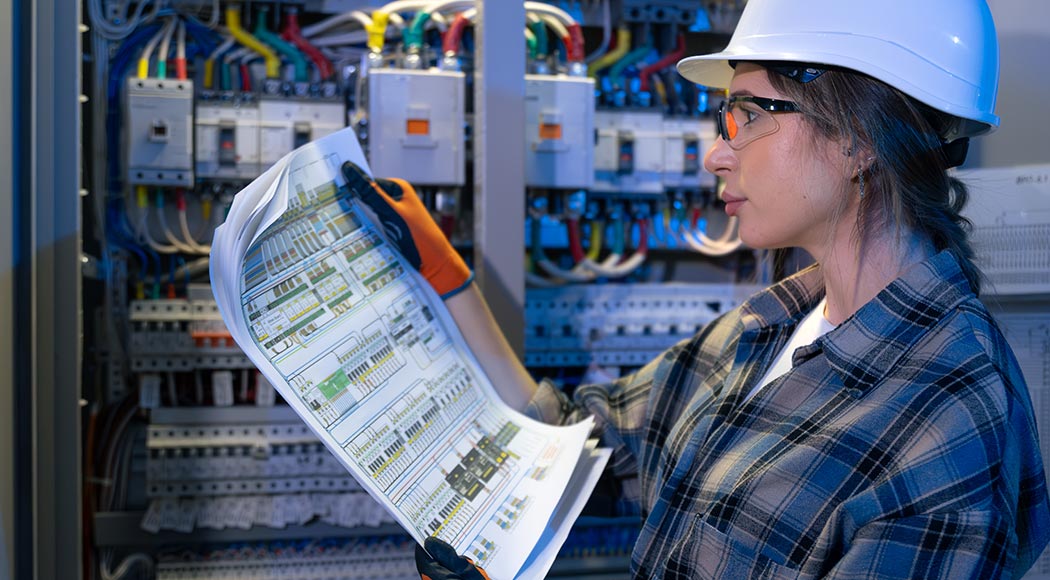
    The technician prepares the electrical report, records all measurements taken, and creates the single-line diagram of the installation.

    Registration of the Electrical Certificate with the Valencian Government (GVA)

    Finally, the Electrical Installation Certificate is registered electronically with the Generalitat Valenciana:

    https://www.gva.es/es/inicio/procedimientos?id_proc=440

    We Can Help You With Electrical Measurements and Testing in Alicante

      Categories
      Electrical Certificate

      Do You Need Electrical Measurements?

      If you want to assess the actual condition of an electrical installation, a simple visual inspection is not enough. It would be like trying to determine a person’s health just by looking at them: medical tests and examinations are usually required to obtain a reliable diagnosis. The same principle applies to electrical systems.

      To properly evaluate an electrical installation, it is essential to use electrical measuring instruments. These devices allow us to determine key parameters that cannot be detected visually, such as insulation resistance, continuity, grounding quality, protective devices performance, and hidden safety risks.

      Furthermore, the electrical installation is one of the most hazardous elements in most homes and buildings if it is not in good condition. An electrical fault can lead to electric shocks, fires, or serious damage to people and equipment.

      For this reason, when we carry out a complete electrical renovation, we do not simply install new wiring and electrical panels. Once the work is completed, we thoroughly test the installation using professional measuring equipment to ensure everything operates correctly and complies with current regulations.

      Likewise, we are often contacted to legalize electrical installations that were not originally carried out by our company. In these cases, before issuing Electrical Installation Certificates (CIE) or preparing electrical engineering projects, we perform the necessary tests using professional instruments to verify that the installation is safe and meets all applicable technical requirements.

      Electrical Measurements

      What Are Electrical Measurements?

      Electrical measurements are processes used to determine the value of an electrical parameter by means of appropriate measuring instruments.

      For example, measuring the voltage of a cable in an electrical system.

      Instruments and Equipment for Electrical Measurements

      There is a wide range of measuring instruments available, including voltmeters, multimeters, clamp meters, lux meters, earth resistance testers, calipers, and many others.

      Are All Measuring Instruments Suitable?

      No, not all electrical measuring instruments are suitable for every task. The choice of equipment depends on the type of measurement required and the project for which the measurement results are needed.

      For example, when performing electrical certifications, it is essential to use certified measuring instruments that comply with the European Standard UNE-EN 61557. This standard regulates measuring equipment used in electrical installations, particularly devices intended to verify safety parameters such as insulation resistance, earth resistance, and other critical measurements necessary to ensure proper operation and safety.

      Electrical Measurements with a Multimeter: The Most Common Instrument

      electrical measurements alicante

      Multimeters are among the most versatile and widely used electrical measuring instruments. A wide variety of models is available on the market, offering different features and price ranges.

      If a multimeter is certified according to UNE standards, its price generally exceeds €500, as it meets the requirements for professional measurements and electrical certifications. On the other hand, basic or non-certified multimeters can be purchased for less than €100, although they are not suitable for official measurements or certification purposes.

      View product on Amazon

      Below are some of the measurements that can be carried out with a multimeter:

      Voltage

      With power? Yes. If there is a light fixture connected, it should be switched on.
      How is the measurement performed? Measure between phase and neutral, or between phase and phase in three-phase systems (never phase and earth).
      Values

      Symbol: V


      Single-phase: 230 V (phase to neutral)


      Three-phase: 400 V (phase to phase)


      Phase to earth: 230 V


      Neutral to earth: 0 V

      What is it used for? To verify that power is reaching the circuit correctly, identify phase and neutral conductors, and determine whether the installation is single-phase or three-phase.

      Insulation Resistance

      With power?No power
      How is the measurement performed?The tester is connected at both ends of the electrical circuit to verify that continuity exists from the starting point to the endpoint. A positive result produces an audible beep.
      What is it used for?To identify cables and detect interruptions, faults, leaks, or poor connections that prevent current flow.

      Continuity Test (Audible Beep)

      With power?No power. Care must be taken with equipment connected to outlets, as it may be damaged. All devices should be unplugged before testing. It is generally safer to perform the test with the earth conductor connected to reduce the risk of damage.
      How is the measurement performed?Measure between conductors that are not connected together:
      • Earth to Neutral
      • Earth to L1
      • Earth to L2
      • Earth to L3
      • Between phases
      • (NOT between Phase and Neutral)
      ValuesMegohms (MΩ)

      Greater than 999 MΩ or above 500 MΩ: Excellent

      Less than 5 MΩ: Serious issue
      What is it used for?To assess the quality of the cable insulation.

      Loop Impedance (Earth Fault Loop Impedance)

      With power?Yes.
      How is the measurement performed?

      Phase + Earth.


      It is recommended to carry out the measurement at the furthest socket outlet.

      ValuesIdeally below 20 Ω.
      What is it used for?To evaluate the effectiveness of the earthing system.

      Would You Like to Rent a Multimeter in Alicante?

      Clamp Meter (Ammeter)

      The ammeter, commonly known as a clamp meter, is an electrical measuring instrument designed with a clamp-shaped sensor that allows measurements without disconnecting the circuit.

      The device measures current under load, meaning while the installation is operating:

      • Measuring current (A): When the clamp surrounds only the phase conductor, it measures the current flowing through that cable, expressed in amperes (A).

      • Detecting leakage (mA): When the clamp surrounds both phase and neutral conductors simultaneously, it can detect current leakage, expressed in milliamps (mA).

      These leakage currents indicate electricity that is not returning through the neutral conductor and may reveal insulation faults or safety issues.

      View on Amazon

      Lux Meter

      A lux meter is used to measure illumination levels and is operated while the installation is energized.

      Measurements must be taken at the point where light actually reaches the surface, avoiding shadowed areas that could distort the results.

      Results are expressed in lux and indicate the amount of light reaching a surface. This allows verification that lighting levels and fixture distribution meet regulatory requirements or the intended use of the space.

      View on Amazon

      Earth Resistance Tester

      An earth resistance tester is used to measure the quality and effectiveness of grounding systems.

      Measurements are performed following specific testing procedures, and results help verify that the earthing system complies with safety standards and provides adequate protection against electrical faults.

      Caliper

      A caliper is a useful instrument for measuring the diameter or cross-sectional area of electrical conductors.

      Knowing the actual conductor size is essential because it determines the cable’s current-carrying capacity and directly affects the safety of the electrical installation.

      Where to Calibrate Electrical Instruments

      To ensure accurate and reliable measurements, electrical instruments such as multimeters, clamp meters, lux meters, and earth resistance testers should be calibrated periodically.

      Calibration guarantees compliance with standards and regulations while preventing measurement errors that could affect safety or legal compliance.

      In Spain, FEMPA provides professional calibration services for electrical measuring instruments.

      Safety Precautions Before Taking Measurements

      Before performing any electrical measurement, several safety measures must be followed.

      Appropriate Personal Protective Equipment (PPE), including insulated gloves and safety footwear, must always be used.

      A visual inspection of the installation should be carried out beforehand to identify any visible damage or abnormalities.

      Finally, it is essential to determine whether the measurement is being performed safely according to the state of the circuit.

      We Can Help You With Electrical Measurements and Testing in Alicante

        When Is It Mandatory to Submit an Electrical Measurement Report?

        1. New Electrical Installations

        It is mandatory to submit an electrical measurement report or certificate (together with the Electrical Installation Certificate – CIE) when:

        • A new electrical installation is carried out in homes, commercial premises, or industrial facilities.

        • The installation is being commissioned before the relevant authority or electricity distribution company.

        2. Renovations or Extensions

        The report is also required when:

        • A significant modification is made to the installation (for example, a power upgrade, new circuits, switchboards, or electrical lines).

        • Extensions are carried out that alter the original safety or design conditions of the installation.

        3. Periodic or Regulatory Inspections

        An electrical measurement report is required for:

        • Industrial installations and public-access buildings (hospitals, schools, entertainment venues, petrol stations, etc.) that must undergo periodic inspections in accordance with ITC-BT-05 of the Low Voltage Electrical Regulations (REBT).

        • During these inspections, measurements are checked to ensure they comply with the required standards and values.

        4. Legalising or Registering Electrical Installations

        An Authorised Inspection Body (OCA) or the relevant authority may require an electrical measurement report as part of the documentation needed to:

        • Legalise an installation.

        • Renew a certificate or inspection report.

        • Correct deficiencies identified during an inspection.

        Conclusion: The Importance of Professional Electrical Measurements

        Electrical measurements are essential to ensure safety, efficiency, and regulatory compliance in any electrical installation, whether residential, industrial, or commercial. Skipping this step can lead to serious risks for people, property, and the electrical system itself.

        Below are the key advantages of professional electrical measurements:

        Safety

        • Prevention of electrical accidents: Professional testing helps detect short circuits, current leakage, and grounding faults, reducing the risk of electric shock and fire.

        • Protection of people and equipment: Ensures that protective devices such as circuit breakers and residual current devices (RCDs) operate correctly in the event of overloads or faults.

        Regulatory Compliance

        • Electrical installations must comply with local and international regulations, such as Spain’s REBT (Low Voltage Electrical Regulations).

        • Professional measurements provide documented proof that the installation meets legal requirements, which is essential for electrical certificates and compliance documentation.

        Energy Efficiency

        • Helps identify excessive energy consumption and power losses.

        • By measuring parameters such as current, voltage, power factor, and earth resistance, circuits can be optimized to reduce unnecessary electricity costs.

        Diagnosis and Preventive Maintenance

        • Detects defective or ageing components before they fail completely.

        • Preventive maintenance planning reduces unexpected downtime, emergency replacements, and unforeseen expenses.

        Protection of Installations and Equipment

        • Sensitive equipment such as computers, household appliances, and industrial machinery require appropriate voltage levels and circuit continuity.

        • Professional measurements ensure there are no voltage spikes, fluctuations, or harmonic distortions that could damage equipment.

        Peace of Mind and Quality Assurance

        • An electrical measurement report certifies that the installation is operating correctly.

        • This is particularly valuable during renovations, property sales, inspections, or audits, providing confidence to owners, buyers, and clients.

        Why Are Electrical Measurements Important?

        • They help prevent electrical accidents.

        • They detect electrical faults and hidden issues.

        • They verify that electrical circuits are functioning correctly.

        • They ensure the quality and efficiency of electrical systems.

        • They help reduce electricity costs and save money on energy bills.

        Categories
        Electrical Certificate

        Do You Need an Electrical Certificate Online in the Valencian Community?

        If you need an electrical certificate online in the Valencian Community, you’re probably looking to connect electricity, update an old installation, or increase power quickly and legally.

        Although the process cannot be completed 100% online, we can manage everything fast, efficiently, and with an on-site inspection by an authorized electrician.

        Electrical Certificate Online

        What Is a CIE Electrical Certificate? (Electrical Installation Certificate – CIE)

        Every electrical installation in Spain must be registered with the Industry Department.

        To do this, an authorized electrical installer must certify that the installation has been correctly executed and complies with current regulations.

        This document is officially known as the Electrical Installation Certificate (CIE), commonly referred to as the Electrical Certificate or Boletín Eléctrico.

        Electrical Certificate Online Price

        Who Can Certify an Electrical Installation? (Authorized Electrician for Electrical Certificate)

        Not every electrician can issue an electrical certificate.

        Only an installer or company authorized by the Industry Department is legally allowed to issue a CIE Electrical Certificate.

        To be authorized, professionals must:

        • Meet strict technical requirements.
        • Pass official qualification exams.
        • Be registered as certified electrical installers.

        Why Is an Electrical Certificate Necessary? (Why You Need an Electrical Installation Certificate)

        The electrical installation is one of the most sensitive and potentially dangerous systems in a home or business.

        An electrical certificate guarantees that:

        • The installation complies with electrical safety regulations.
        • Risks such as short circuits or fires are minimized.
        • Low-quality or non-certified materials are not used.

        It is also mandatory for:

        • Connecting electricity for the first time.
        • Increasing electrical power.
        • Updating or legalizing old installations.

        Can an Electrical Certificate Be Issued Online? (Electrical Certificate Online – Is It Possible?)

        The short answer is no.

        An electrical installation cannot be certified without a physical on-site inspection.

        Even for experienced professionals, it is impossible to guarantee the condition of an installation without personally inspecting it.

        Thanks to our professional measurement equipment and technical expertise, we can accurately assess the real condition of your installation and prepare all the required documentation quickly and safely.

        How to Get Your Electrical Certificate Fast (Fast Electrical Certificate Service)

        We can’t issue an electrical certificate online —
        but we can issue it fast.

        📩 Contact us and we’ll take care of everything:

        • On-site inspection.
        • Electrical certificate (CIE).
        • Registration with Industry.
        • Guidance for connecting or upgrading electricity.

          Categories
          Electrical Certificate

          CIE Electrical Certificate Santa Pola – Fast and Professional Electricians

          Why Do You Need an Electrical Installation Certificate?

          When it comes to safe and legal electrical installations, the Electrical Installation Certificate (CIE) – also known as the Boletín Eléctrico – is the essential document that proves everything is compliant.

          Planning to get a new electricity supply? Have you upgraded your electrical system? Need to increase your power capacity? Then this document is a must.

          Best Price for CIE Electrical Certificate in Santa Pola

          Your Fast and Reliable electrical certificate in Less Than 3 Days

          1. Send us the details of your installation.
          2. A qualified electrician carries out the inspection.
          3. We issue your certificate in record time.
          CIE electrical certificate Santa Pola

          Who Can Issue an electrical installation certificate in Santa Pola?

          In Santa Pola, the Electrical Installation Certificate must be issued by an authorised electrician, registered with the Official Register of Industrial Installers of the Valencian Government (Generalitat Valenciana).

          To issue a certificate, the installer must confirm that the electrical installation meets current regulations and is safe to operate.

          Contact Our CIE Electrical Certificate Experts in Santa Pola

          Our team of certified engineers and electricians is ready to assist you.

            Categories
            Electrical Certificate

            Electrical Certificate Elche at the Best Price

            What Is an Electrical Certificate and Why Do You Need It?

            The electrical certificate, also known as the “Boletín Eléctrico” or “CIE (Certificado de Instalación Eléctrica)”, is an essential document that proves your electrical installation complies with current safety regulations.lche

            If you need to connect electricity (alta de luz) or modify an existing installation, this document is mandatory.

            When Do You Need an CIE in Spain?

            • To connect electricity in a home or commercial premises
            • To change ownership or increase contracted power
            • For old electrical installations that need updating
            • To sell or rent a property with guaranteed electrical safety
            • To legalize any new electrical installation

            Types of CIE electrical certificate in the Valencian Community

            In the Comunidad Valenciana, there are different types of electrical certificates:

            • CIE (Installation Certificate) – Confirms compliance with current regulations
            • “Boletín Azul” (Blue Bulletin) – Required for changes to outdated installations
            • “Boletín Azul” (Blue Bulletin) – Required for changes to outdated installations
            Electrical Certificate Elche

            Electrical Certificate Renewal or Connection in Elche

            If your installation is old, it may need to be updated before electricity can be connected.

            Wondering “Can I connect electricity without a boletín?” The answer is no.

            Without a valid electrical certificate, electricity companies will not approve your service request.

            How Long Is an CIE certificate valid in Spain?

            An electrical certificate is valid for 20 years.
            But it’s important to check when it expires to avoid future issues.

            If you’re unsure where to submit your boletín, don’t worry – we handle the entire process for you.

            Get Your Electrical Certificate in Elche Now!

            Get Your Electrical Certificate in Elche Now!

              Categories
              Electrical Certificate

              Alicante electrical installation Certificate (CIE)

              WHAT IS THE ELECTRICAL INSTALLATION CERTIFICATE?

              The electrical bulletin or electrical installation certificate is a technical document that ensures that an electrical installation is safe and does not pose any danger.

              PRICE OF THE ELECTRICAL INSTALLATION REPORT

              There is no fixed price for obtaining an electrical installation report, it will depend on the characteristics of the respective installation.

              However, in general terms, the usual average price is between €150 and €200.

              LIGHT BULLETIN DEADLINE

              The preparation time is usually 3 days.

              Once you have it, it will be sent to the distribution company for its subsequent acceptance. The response time, although it varies between companies of this type, is usually around 7 days approximately.

              REQUEST ELECTRIC INSTALLATION CERTIFICATE ALICANTE

                WHEN IS IT COMPULSORY TO OBTAIN AN ELECTRICAL REPORT?

                Below is a list of the most frequent situations in which it is necessary to obtain an electrical bulletin.

                1. Change of electricity ownership

                When 20 years have passed since the last electricity bulletin and you are going to change the ownership of the supplies, the electricity companies require you to do so.

                2. Registration of a new electricity supply

                If you need to register a new electricity supply, you must provide the electricity bulletin as part of the required documentation.

                3. Increasing the power

                If you want to increase the power above the maximum value of the old report, you need a new document of this type.

                This new report will certify that it is possible to reach the value you are aiming for under safe conditions.

                Is it possible to increase the power without a report?

                No. You can increase it up to the maximum value certified by your old electricity bulletin.

                4. Technical modifications

                In this situation, 2 circumstances may arise:

                • There is a modification of the installation from single-phase to three-phase.
                • There is a change of economic activity in a commercial premises.

                Which installation do I have, single-phase or three-phase?

                The vast majority of homes have a single-phase installation.

                These systems use a single electrical conductor cable and have a single alternating current.

                The standard voltages for these installations are 220 or 230 volts.

                Three-phase installations, on the other hand, are common in the tertiary sector (e.g. in a business building).

                These systems use three electrically conductive wires and have three alternating currents.

                The standard voltage ranges from 380 to 400 volts.

                When does it expire?

                If you need to make any modification to the supply contract and the bulletin is more than 20 years old, it will be considered out of date and the electrical installation will have to be revised.

                An example of this type of situation can be found when buying an old second-hand property.

                In these cases, do not forget to ask the seller for the electrical report to have this information.

                TYPES OF ELECTRICAL CERTIFICATES

                There are different classifications. Below, we explain the most common ones, according to the power supplied:

                Low voltage electrical installation certificate

                Also called low voltage electrical bulletin, it is necessary to connect an electrical installation to the low voltage distribution network.

                It is the common certificate for registering the electricity supply in dwellings.

                High-voltage CIE

                Necessary to connect an electrical installation to the high voltage distribution network.

                It is the common one for registering the electricity supply to companies, industrial warehouses, commercial buildings, etc.

                In addition to the above classification or distinction, we can find different electrical installation certificates or electrical bulletin, depending on the type of property they are aimed at or the type of activity:

                Electrical certificate for dwellings

                This type of electrical certificate is used to register, modify or update an electrical installation in a home.

                Electricity bulletin for commercial premises

                This is used to register, modify or update an electrical installation in commercial premises.

                In any case, it must comply with the technical and safety requirements in accordance with the activity planned for the premises.

                Electrical certificate for industrial buildings

                This type of electrical certificate is used to register, modify or update an electrical installation in an industrial building.

                It must also comply with the technical and safety requirements in accordance with the industrial activity planned for the warehouse or building.

                Electrical certificate for public buildings

                Also, the one used to register, modify or update an electrical installation in public buildings.

                Public buildings such as: schools, hospitals, government offices, etc.

                It must also comply with the technical and safety requirements for public buildings.

                In this case, it is essential to bear in mind that a building of these characteristics, with public concurrence, is subject to very demanding technical and safety conditions.

                If I install solar panels, do I need a certificate or electrical report?

                If you decide to install photovoltaic solar panels to supply electricity to your home (self-consumption), you will also need an electrical bulletin.

                First of all, make sure that the installation of your photovoltaic system will be carried out by an approved or authorised installer.

                Once the system has been installed, it must be registered with the Ministry of Industry of your Autonomous Community.

                In the aforementioned registration, they require, among other documents, the electrical bulletin or electrical installation certificate.

                The responsibility for carrying out these procedures lies with the owner of the installation. However, the installation company usually takes care of all of this.

                And on a construction site?

                If you are going to carry out construction work in a home that does not have an electricity supply, you will need to register for electricity for a limited period of time.

                This is usually the case for homes under construction.

                For this, it will be necessary to have an electrical bulletin or certificate of electrical installation.

                Normally, it is usually the company that is going to carry out the work that is responsible for carrying out all these formalities. In any case, all of this is agreed in the previous contract.

                If I have a camper, do I also have to obtain an electrical report?

                It depends on the electrical installation in your camper.

                In most cases, this installation is usually 12V. In other words, most of the elements of a camper run on this power (battery, fridge, light points, etc.).

                In this scenario, the electrical bulletin will not be necessary. However, if you want to have a power similar to that of the houses (220 V), you will need it.

                Electrical bulletin without earthing

                Earth sockets connect the sockets in our home to the earth.

                This is done so that, in the event of a problem such as a lightning strike, we are protected.

                In this way, the discharge will flow towards the ground, will be diverted and will not come into contact with the people living in the house.

                In addition to our safety, earthing also safeguards electrical installations and circuits.

                At present, it is compulsory to install it. However, there are some older homes that do not have an earth connection.

                In these cases, it is advisable to check and approve the installation. It is true that electrical appliances can work correctly without the earthing system, but safety will be compromised.

                Unnecessary dangers must be avoided.

                Do you need an electrical bulletin for your bar or business?

                WHO PAYS FOR THE ELECTRICAL INSTALLATION CERTIFICATE, BUYER OR SELLER?

                In general terms, the electricity bulletin is paid for by the holder of the electricity contract for a home.

                Therefore, as it is necessary as part of the documentation for registering a new supply, it is paid for by the buyer.

                HOW DO YOU KNOW IF A PROPERTY HAS AN ELECTRIC BULLETIN?

                If you are going to buy a house, don’t forget to ask the seller for this certificate.

                There are usually two circumstances:

                • The seller does not have the electrical bulletin.
                • The bulletin is more than 20 years old and is considered out of date.

                If the Electrical Installation Certificate has been lost or mislaid, there is no specific way to request a copy.

                You can turn to the authorised technician or company that issued it or contact the supply company to see if they can find it.

                IS IT POSSIBLE TO DO THE ELECTRICAL REPORT ONLINE?

                On-site verification measurements must be carried out. his accredits that the installation is adequate and that our home is suitable for electricity supply.

                HOW TO MAKE AN ELECTRIC BULLETIN?

                Who can do it?

                The electrical bulletin cannot be drawn up by just any electrician or electrical company.

                It must be signed by a technician or a company authorised for this purpose.

                Where is it presented?

                Once we obtain the electric bulletin, it will be presented to the company that will supply us with the service.

                This company will be chosen by us and the bulletin will be accompanied by different documentation in order to make our supply contract official.

                What information does this bulletin contain?

                1. Details of the owner of the installation.
                2. Exact location of the supply point.
                3. Distribution company.
                4. Installation company or authorised professional.
                5. Characteristics of the installation (contracted and maximum admissible electrical power, details of the installation components, etc.).
                6. Test measurements.
                7. Details and signature of the technician who certifies and issues the electrical bulletin.

                Privacy Overview

                QEE Ingeniería

                This website uses cookies so that we can provide you with the best user experience possible. Cookie information is stored in your browser and performs functions such as recognising you when you return to our website and helping our team to understand which sections of the website you find most interesting and useful.

                Strictly Necessary Cookies

                Strictly Necessary Cookie should be enabled at all times so that we can save your preferences for cookie settings.

                This site is registered on wpml.org as a development site. Switch to a production site key to remove this banner.