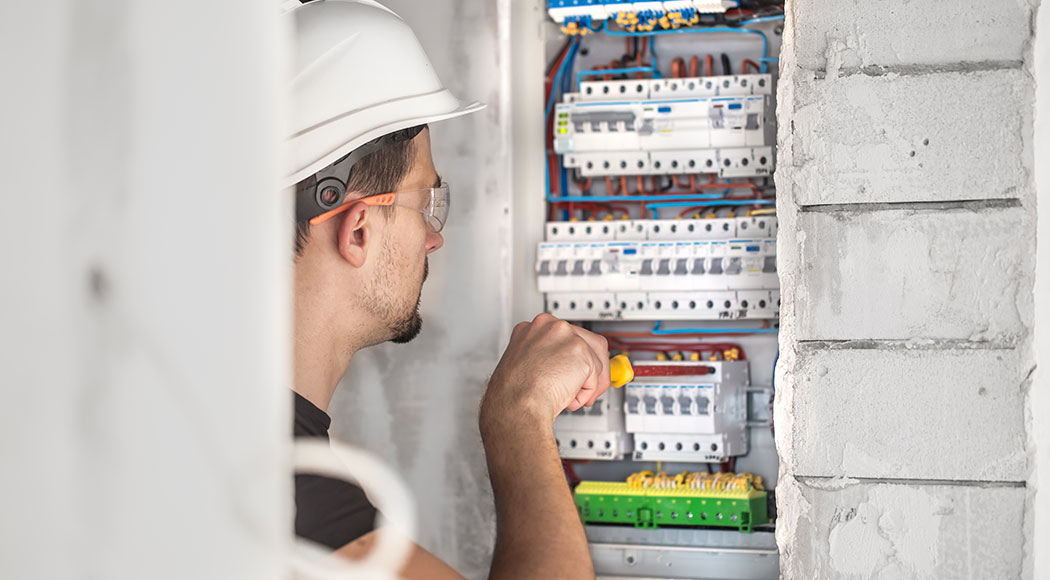
Has your electricity supplier asked you for an electrical certificate, and you have no idea what it is or why you need it? Don’t worry — we’ll explain it in simple terms… and if you want, we can also help you obtain it quickly and without hassle.
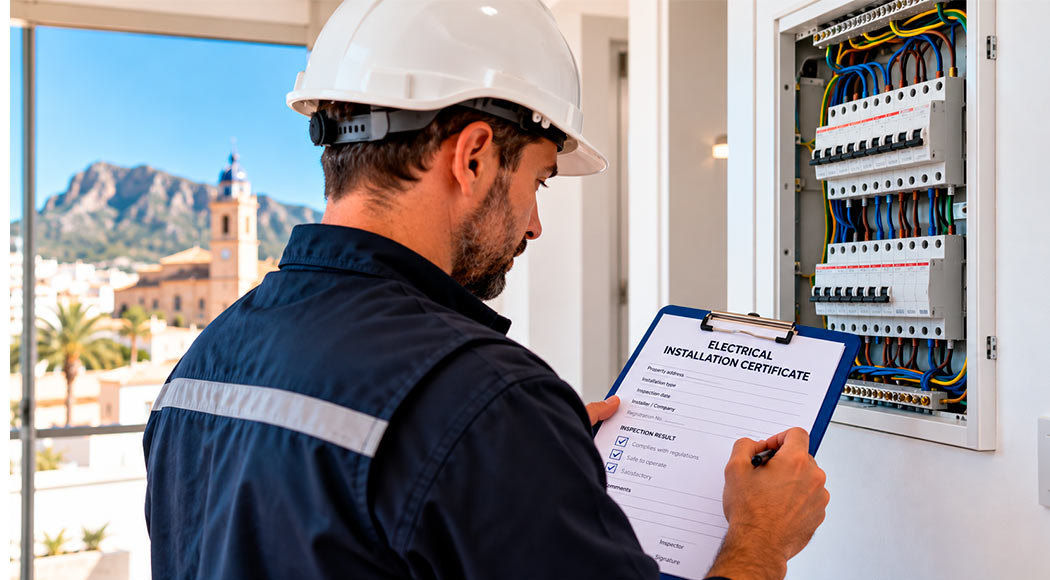
What Is an Electrical Certificate (CIE)?
An electrical certificate is like the official “passport” of your electrical installation: a document with superpowers that says, “This property is ready to receive electricity safely.”
It certifies that your wiring, electrical panel, and the entire installation are in good condition, comply with regulations, and are capable of powering everything from a light bulb to the most demanding coffee machine.
Without this certificate, the electricity company will not let you move forward with important procedures such as connecting a new supply, increasing your contracted power, or legalising solar panels.
In short, it’s the ID card, driving licence, and vaccination record of your electrical installation — all in one!
Requirements to Obtain an Electrical Certificate in San Vicente
The main requirements are:
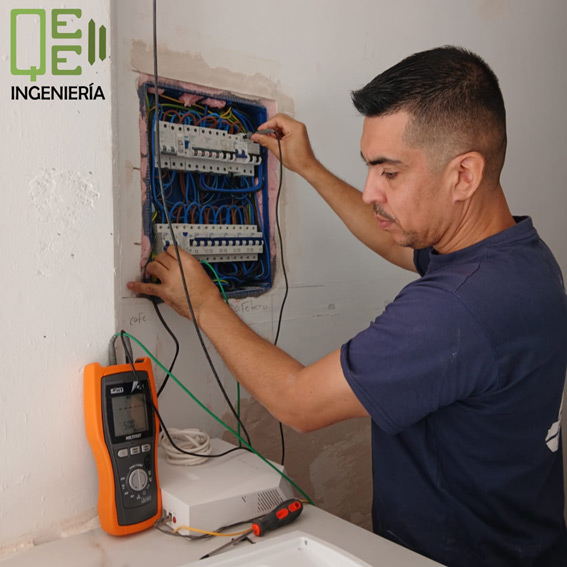
- Having the five mandatory electrical circuits.
- Ensuring that the residual current device (RCD) works correctly and that the appropriate number of RCDs is installed.
- Having an earth cable and a properly functioning grounding system.
- Using cables with the correct cross-section and suitable materials.
- Ensuring that all electrical components (sockets, switches, etc.) are in good condition.
How Long Is an Electrical Certificate Valid and When Should You Consider Renewing It?
An electrical certificate is officially valid for 20 years. However, in practice, it may become invalid sooner if your installation has been modified, expanded, or if the distribution company determines that it no longer complies with current regulations.
You should consider renewing it when:
- You are trying to increase your contracted power, and the electricity company rejects the request.
- You have carried out electrical renovations and do not have an updated certificate.
- Your certificate is more than 20 years old, and you need to complete a procedure with your electricity supplier.
- The Industry Department requests an updated CIE to verify the safety of the installation.
In summary, if your certificate is “older than your grandmother’s fuse board,” it may be time to renew it.
Power Increase Certificates – When Your Home Needs More Capacity
If your circuit breaker trips more often than a DJ jumps at a San Vicente festival, you may need a power increase certificate.
This document certifies that your electrical installation can safely support a higher power capacity than it currently has.
It is mandatory when:
- You want to install air conditioning, a jacuzzi, a new oven, or other high-consumption appliances, and your current power supply is insufficient.
- Your contracted power is below your actual needs.
- The electricity company requires a technical verification before authorising the change.
It is essentially your home’s “medical clearance” to handle a heavier electrical load safely.
Photovoltaic Installation Certificate – The Document That Makes Your Solar Energy Legal
If you have installed, or are planning to install, solar panels, you will need a photovoltaic installation certificate.
This document proves that the installation has been carried out by a qualified professional, complies with the Low Voltage Electrical Regulations (REBT), and can be safely connected to your property’s internal electrical network.
What does this certificate allow you to do?
- Legalise your installation with the Industry Department.
- Apply for compensation for surplus energy exported to the grid.
- Register your energy production and avoid penalties.
- Ensure that your solar panels, inverter, and protection systems operate safely.
Without this document, your solar panels may generate electricity, but legally speaking, they do not exist.
How Can You Request a Copy of Your Electrical Certificate from the GVA If You Have Lost It?
Losing your electrical certificate is more common than you might think. To recover it, you can request a copy through the Generalitat Valenciana (GVA) or through your authorised electrical installer using the following link:
Online Electrical Certificates – The Most Unsafe (and Dangerous) Option
Obtaining an electrical certificate online without a real inspection is an unsafe, illegal, and extremely dangerous practice.
Many advertisements promise certificates “without visits,” “instantly,” or “for €40,” but these are not official and can put the safety of the occupants at serious risk.
Why is it so dangerous?
- The installation is not physically inspected.
- Grounding systems, cable sizes, and protection devices are not checked.
- A fraudulent certificate can lead to fires, short circuits, or serious accidents.
- The Industry Department and the electricity distributor may invalidate the certificate and impose penalties on the property owner.
An electrical certificate is a document that certifies safety. If the installation is not inspected, there is no safety — and if there is no safety, there should be no certificate.



 On each outlet: Stickers or labels near the connection points.
 Voltage: 230V
 Frequency: 50Hz
 Caution: Use only devices compatible with 230V.